


How to Identify Fight, Flight, Freeze, or Fawn (2026)

October 12, 2026

Share this article

Trauma responses—fight, flight, freeze, and fawn—are your nervous system's automated survival strategies triggered by perceived threats. Identifying these patterns involves noticing physical shifts like rapid heart rate, emotional cues like irritability or numbness, and behavioral habits such as people-pleasing or chronic busyness to escape underlying distress.

What are the four primary trauma responses?

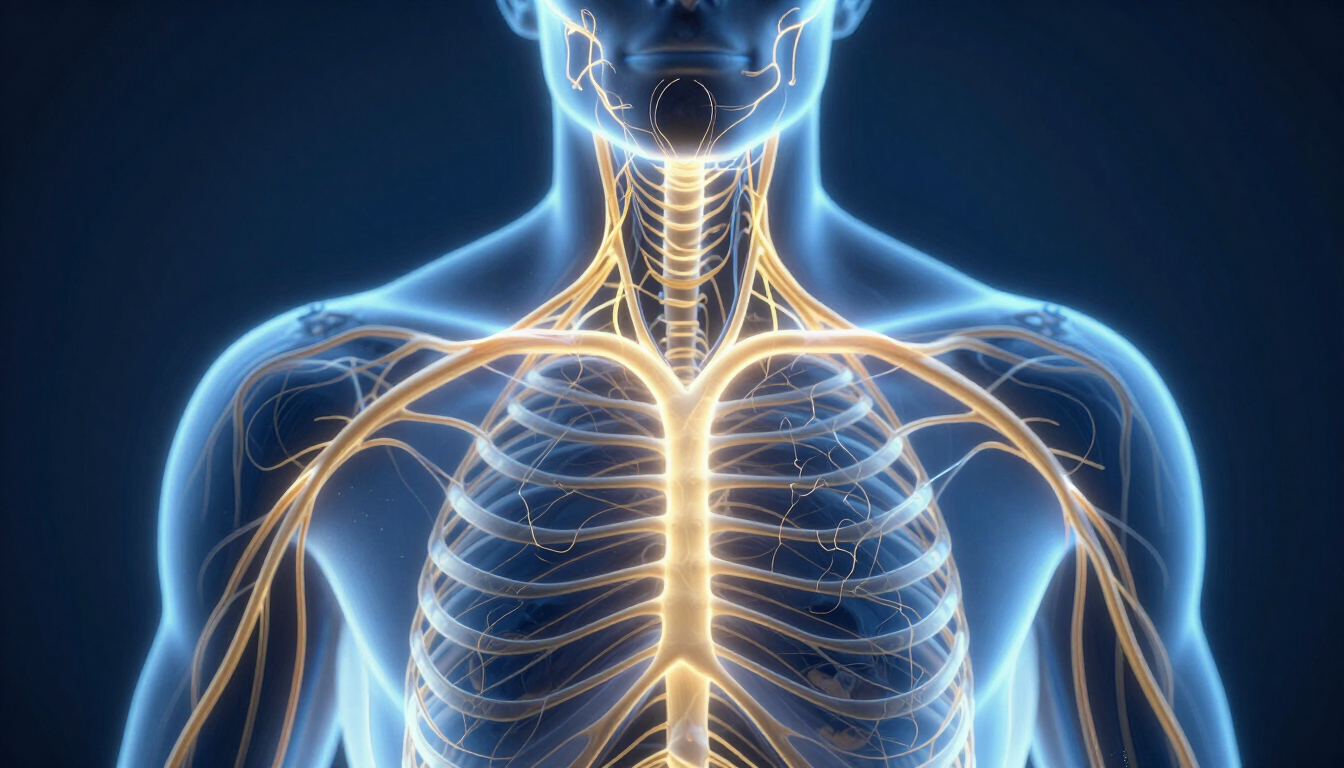
To understand your reactions to stress, you must first recognize that your body is designed to keep you safe. When your brain perceives a threat—whether it is a high-stakes medical emergency at work or a tense conversation with a partner—it bypasses your logical mind and activates the Autonomic Nervous System (ANS). This is often referred to as being in "survival mode."

The four primary trauma responses are adaptive mechanisms that help you navigate danger. While they are life-saving in truly life-threatening situations, they often become "stuck" in our bodies due to chronic stress or past trauma. For many healthcare workers and women dealing with burnout, these responses become the default way of interacting with the world, even when no immediate danger is present.

The Nervous System in Action

Your nervous system operates like a complex security system. The sympathetic branch is the "gas pedal," revving you up for action (Fight or Flight). The parasympathetic branch, specifically the dorsal vagal complex, acts as the "emergency brake," shutting you down when action feels impossible (Freeze). The Fawn response is a social survival strategy, using connection and appeasement to diffuse conflict. Understanding these states is the first step toward achieving somatic therapy goals and reclaiming your sense of peace.

How does the "fight" response manifest in everyday life?

The "fight" response is not always about physical confrontation. In a modern context, especially for high-achieving women and nurses, it often presents as a need for control, intense irritability, or a "hardened" exterior. When you are in a fight state, your body is flooded with cortisol and adrenaline, preparing you to overcome a threat by force or assertion.

Common signs of a fight response include:

  • Feeling a constant sense of injustice or unfairness.
  • Tightness in the jaw, fists, or chest.
  • A tendency to be overly critical of yourself and others.
  • Feeling like you must "win" every argument to feel safe.
  • Using anger as a shield to hide deeper feelings of vulnerability.

For many in the helping professions, the fight response can look like "advocacy gone rogue." You might find yourself constantly clashing with management or feeling a simmering rage toward a system that feels broken. While your anger may be justified, staying in a chronic fight state leads to profound exhaustion and physical tension. Learning to soften this response often involves internal family systems work to understand the protective part of you that feels the need to battle.

Nervous System Health

Understanding the Busy Nature of "Flight"

The "flight" response is the urge to get away from a threat. In our current culture, this rarely looks like literally running out of a room. Instead, it manifests as chronic busyness, workaholism, and an inability to sit still. If you feel like you are constantly racing against a clock that doesn't exist, you might be stuck in flight.

For nurses and healthcare professionals, flight is often masked as high productivity. You might take on extra shifts, obsessively clean your house, or over-schedule your personal life to avoid the discomfort of your internal world. When you stop moving, the anxiety catches up, so you keep running. This is a primary driver of burnout.

Signs you are in a flight state:

  • Inability to relax or feel "present" in the moment.
  • Constant worrying or "what-if" thinking.
  • A physical sensation of restlessness or "antsy" legs.
  • Overwhelming perfectionism and fear of failure.
  • Using distractions like social media or work to avoid feelings.

How can you tell if you are in a "freeze" state?

If fight and flight are "high energy" states, freeze is the opposite. It is a state of immobilization. When your nervous system decides that neither fighting nor fleeing will work, it shuts down to protect you. This is often described as feeling "spaced out," numb, or paralyzed by indecision.

In the workplace, a freeze response can be particularly distressing. You might find yourself staring at a computer screen unable to start a task, or feeling "brain fog" during a critical moment. It is a protective wall that your body builds, but it often leads to feelings of shame and self-abandonment because you feel like you aren't "doing enough."

Physical and emotional signs of freeze:

  • Feeling physically cold or numb in your extremities.
  • A sense of being "untethered" or disconnected from your body.
  • Procrastination that feels impossible to overcome.
  • Difficulty speaking or finding the right words.
  • A heavy, leaden feeling in your limbs.

What does "fawning" look like in healthcare workers?

The "fawn" response is perhaps the most misunderstood. It involves moving toward a threat by being helpful, compliant, or self-sacrificing to ensure safety. For many women, this is a socialized response. We are taught to be "nice," to keep the peace, and to put others' needs before our own. In healthcare, fawning can be mistaken for excellent bedside manner, but it comes at a high internal cost.

Fawning is essentially "people-pleasing" as a survival tactic. By anticipating the needs of a difficult boss or a demanding patient, you hope to avoid conflict or rejection. However, this leads to a complete loss of boundaries and a deep sense of self-abandonment.

Common fawning behaviors include:

  • Saying "yes" when you desperately want to say "no."
  • Feeling responsible for other people's emotions or reactions.
  • Ignoring your own physical needs (hunger, bathroom breaks) to serve others.
  • Constantly apologizing, even when you haven't done anything wrong.
  • Losing your sense of self and identity in relationships.
Mindfulness and Healing

The Connection Between Trauma and the Nervous System

All four of these responses are valid, but when they become chronic, they take a toll on your health. Your body is not meant to live in survival mode 24/7. When you are constantly cycling through fight, flight, freeze, or fawn, your digestive system, immune system, and hormonal balance suffer. This is why holistic healing is so vital. It isn't just about "fixing" your thoughts; it's about helping your body feel safe again.

At our practice, we use specialized approaches to help you move out of these cycles. For example, EMDR (Eye Movement Desensitization and Reprocessing) helps process the underlying memories that keep these responses active. By addressing the root cause, your nervous system can finally learn that the "danger" is in the past.

Why do these responses lead to burnout?

Burnout is not just about having too much work; it is the result of a nervous system that has been pushed beyond its capacity for too long. When a nurse stays in a "flight" response for years—constantly doing, achieving, and running—the system eventually crashes into a "freeze" state of total exhaustion. This cycle is incredibly draining and often leaves people feeling like they have lost their passion for their career.

Understanding your trauma responses allows you to catch the signs of burnout early. If you notice you are starting to "fawn" more with difficult colleagues or that your "fight" response is constantly triggered by minor inconveniences, these are red flags that your capacity is low. Taking action through services like somatic therapy or EFIT can help you rebuild that capacity.

Practical Steps for Somatic Grounding

Moving out of a trauma response requires "bottom-up" processing. This means talking about it isn't enough; you have to show your body it is safe through physical sensations. Somatic grounding techniques are designed to anchor you in the present moment and signal to your brain that the immediate threat has passed.

Try these simple steps when you feel triggered:

  • Notice five things you can see, four you can touch, and three you can hear.
  • Gently press your feet into the floor and feel the support beneath you.
  • Exhale slowly, making the breath out longer than the breath in.
  • Place a hand on your chest and feel the warmth of your palm.
  • Look around the room and name three blue objects you see.

Moving Toward Healing and Regulation

Identifying whether you are in fight, flight, freeze, or fawn is the beginning of a transformative journey. It shifts the narrative from "What is wrong with me?" to "What is my body trying to protect me from?" This perspective change is incredibly empowering. If you are a healthcare worker or a woman struggling with these patterns, know that you don't have to navigate this alone. Whether it is through EMDR for nurses or general counseling, support is available to help you find your way back to yourself.

Summary of Key Takeaways

Recognizing your survival state is essential for long-term mental and physical health. By understanding these four distinct patterns, you can begin to apply the right tools to regulate your system. Remember:

  • Fight is about protection through control and assertion.
  • Flight is about safety through movement and busyness.
  • Freeze is about survival through stillness and numbing.
  • Fawn is about security through compliance and people-pleasing.
  • Healing involves "bottom-up" somatic work and professional support.

If you’re ready to stop living in survival mode and start thriving again, we invite you to Contact Us today to explore how we can support your unique journey toward regulation and peace.

Woman with glasses smiling and holding a coffee cup on a couch against a brick wall

Meet Melissa Milligan

Certified Canadian Counsellor - License number #112479

Registered Nurse - License Number #0929878

Melissa Milligan is a Canadian Certified Counsellor (CCC) and Registered Nurse (RN) with over 15 years of nursing experience across ER, Labour & Delivery, acute care, and day surgery. She founded Return to Self Counselling & Wellness to work with nurses, healthcare workers, and women who've built their whole identity around holding everyone else up.


Melissa draws on her nursing background alongside training in EMDR, EFIT, mind-body therapy, mindfulness, breathwork, and yoga to offer trauma-informed, nervous-system-aware care. She understands burnout and self-neglect from the inside, not just in theory, and helps clients stop abandoning their own needs and start noticing them before their body has to force the issue.

Recent Posts

Woman reflecting on the fear of being seen as needy
October 24, 2026
Learn why high-achieving women fear being seen as needy and discover five practical ways to ask for support, set boundaries, and stay connected to yourself.

Shift work nervous system recovery for healthcare workers
October 21, 2026
Learn how shift work affects your nervous system and discover practical sleep, stress, boundary, and therapy strategies for nurses and healthcare workers.

Journaling prompts for naming what you actually feel in an open journal
October 19, 2026
Use these journaling prompts to name what you actually feel, understand emotional needs, and practice honest self-reflection without judgment.

People-pleasing and honest boundary setting for healthcare workers
October 17, 2026
Discover how people-pleasing and conflict avoidance affect burnout, boundaries, and relationships—and learn practical ways to be honest without becoming unkind.

What happens when you stop performing having it together
October 15, 2026
Discover what happens when nurses and healthcare workers stop performing having it together, set honest boundaries, and reconnect with themselves.

Exhausted nurse in hospital corridor reflecting on burnout
October 11, 2026
Learn why traditional self-care fails healthcare workers and how holistic, somatic, and EMDR therapies offer true recovery from burnout.

A woman looking pensive and tired reflecting on emotional burnout.
October 9, 2026
Feeling like your own needs are a burden? Learn why high-achieving women and nurses struggle with self-abandonment and how holistic therapy helps.

A healthcare professional finding peace and reflecting on healing perfectionism.
October 8, 2026
Learn why perfectionism is often a survival-based trauma response, how to recognize the signs, and ways to heal through somatic therapy and EMDR.

A calm therapy room representing finding the right therapist
October 6, 2026
Wondering how to choose the right therapist? Use this honest guide to assess fit, therapy approaches, safety, and whether Return to Self Counselling suits your needs.

A woman practicing self-care by enjoying a quiet moment with tea.
October 5, 2026
Are you caring for everyone but yourself? Learn how emotional labor in healthcare leads to self-abandonment and how holistic therapy can help you heal.
Show More